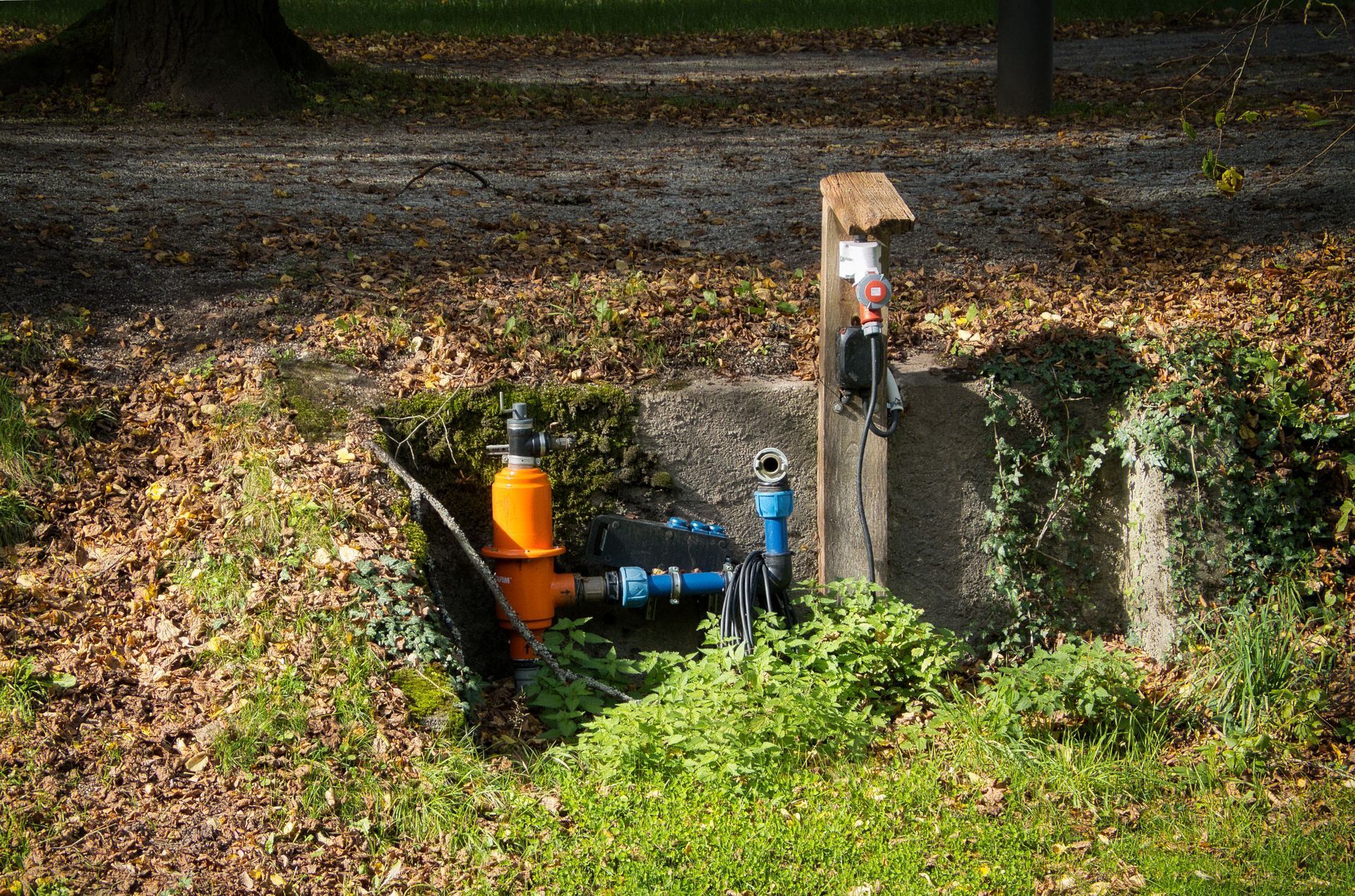
Planning a Water Well Drilling Project on the Mississippi Gulf Coast
Planning a Water Well Drilling Project on the Mississippi Gulf Coast: A Local Buyer's Guide
A new private well is one of the biggest investments you can make in a rural or semi-rural Gulf Coast property. Whether you're building in Vancleave, adding irrigation in Wiggins, or replacing an old well in Kiln, good planning helps you avoid surprises on cost, permits, and water quality.
This guide covers what affects the price of water well drilling in South Mississippi, the questions to ask before you hire a driller, and where to verify a driller's license with the state.
What Does Water Well Drilling Cost in Mississippi?
Online cost guides published in 2026 put the average Mississippi well at roughly 140 feet deep and about $4,900, with drilling rates of roughly $22 to $50 per foot. The same guides show complete systems, with casing, pump, pressure tank, and electrical, often running $7,000 to $15,000 or more depending on depth.
Those are statewide averages, and the spread is wide for a reason. Much of that data reflects the Delta and the eastern hills, where geology and water depths differ from the coast.
Your own quote may land well above or below the statewide figure. The only reliable number for your property comes from a licensed local driller who has looked at your site.
What Affects Your Project's Cost
Five factors do most of the work in any Mississippi well drilling cost estimate:
- Depth to good water. Depth is the single biggest cost driver. On the Gulf Coast, the right depth depends on which water-bearing sand layer can give you enough clean water. A local driller uses nearby well logs and experience in your area to estimate it.
- Ground conditions. Sand, clay, and gravel drill differently. Layers that collapse or need extra casing add time and material.
- Casing and grout. Most residential wells on the coast use PVC casing. State rules require grout to seal the space around the casing, and more grout is required when contamination sources sit close to the well.
- Pump and pressure system. A submersible pump, pressure tank, controls, and wiring are often a large share of the total. Household size, irrigation needs, and how far the water must travel all affect sizing.
- Site work and access. Rig access, distance to the house, trenching, and electrical runs all add up. A cleared, level, dry site is cheaper to work on.
Water treatment can be a sixth factor. Some Mississippi wells may have iron, hardness, or a sulfur smell. A water test after drilling tells you whether treatment is worth adding.
Plan the Well Location Before You Get Quotes
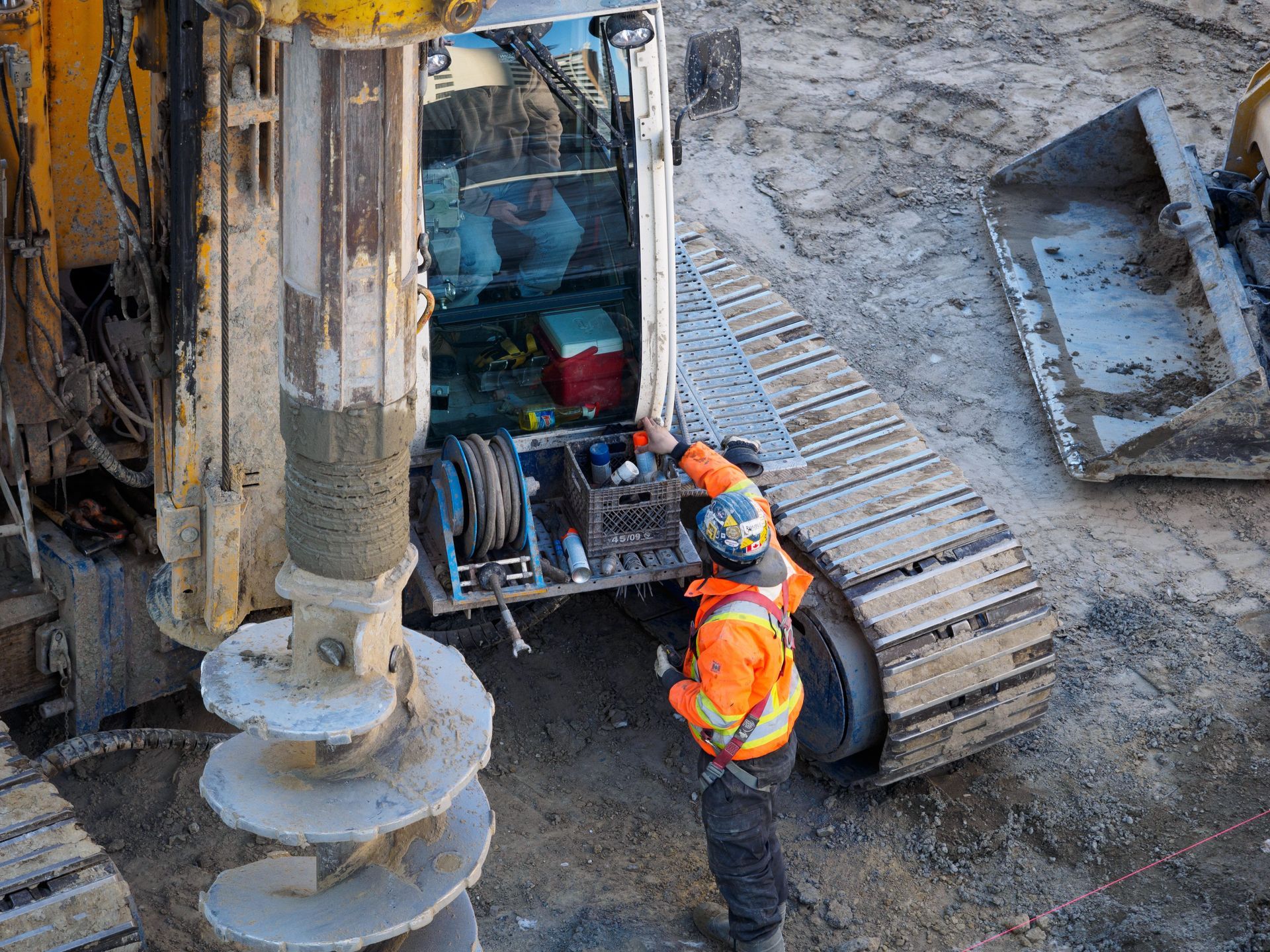
Where the well goes affects both cost and safety. Mississippi State University Extension notes that the Mississippi State Department of Health requires a new well to sit at least 50 feet from a septic tank and at least 100 feet from a septic drain field. Those are minimums, so farther is better.
On the coast, also think about flooding. Extension guidance says the well casing should end above the 100-year flood level, and new wells should avoid low spots where storm water collects. Higher ground, sloped so water drains away from the well, is the goal.
If you're building a new home, talk with your driller before the septic system and driveway are set. Moving a well site on paper is free. Moving it later is not.
Questions to Ask Before You Hire a Water Well Driller
Use these questions to compare drillers on more than price:
- Are you licensed by MDEQ? Mississippi requires a licensed water well driller for all water well drilling. Pump work needs a pump installer's license too.
- Is your crew in-house? Ask who will be on your site and whether any of the work is subcontracted.
- What depth do you expect, and why? A good driller can explain the estimate using local well records and their own work nearby.
- What's included in the quote? Ask whether the price covers casing, grout, the pump, pressure tank, wiring, trenching, disinfection, and a water test.
- What happens if you have to drill deeper? Get the per-foot rate in writing for any extra depth.
- What warranty do you offer? Ask about the well itself and the pump separately.
- Will you file the State Well Report? Licensed drillers report wells they drill to MDEQ. Ask for a copy for your records.
- Will the well be disinfected and tested? Extension guidance recommends disinfecting a new well and testing it for bacteria before use.
Always get the agreement in writing. Extension recommends a written contract stating the work meets state and local well construction rules.
How to Check a Mississippi Well Driller's License
The Mississippi Department of Environmental Quality's Office of Land and Water Resources licenses and regulates well drillers and pump installers across the state. MDEQ keeps a current list of licensed water well drillers and pump installers on its
Water Well Drillers page.
That page is also the place to find state well forms and contact information for well-driller and groundwater questions. If your project involves irrigation or larger water use, ask your driller whether any additional MDEQ permit applies.
A Typical Project Timeline
Most residential projects follow the same basic steps:
- Site visit and estimate. The driller looks at access, setbacks, and likely depth.
- Scheduling and paperwork. The driller confirms local requirements and books the rig.
- Drilling, casing, and grouting. Drilling itself often takes one to a few days.
- Pump and pressure system install. The pump, tank, and controls are set and wired.
- Disinfection and water testing. The well is cleaned and the water is tested before you drink it.
Weather, permitting, and ground conditions can stretch the timeline, so build in some cushion.
Why a Local Driller Matters on the Coast
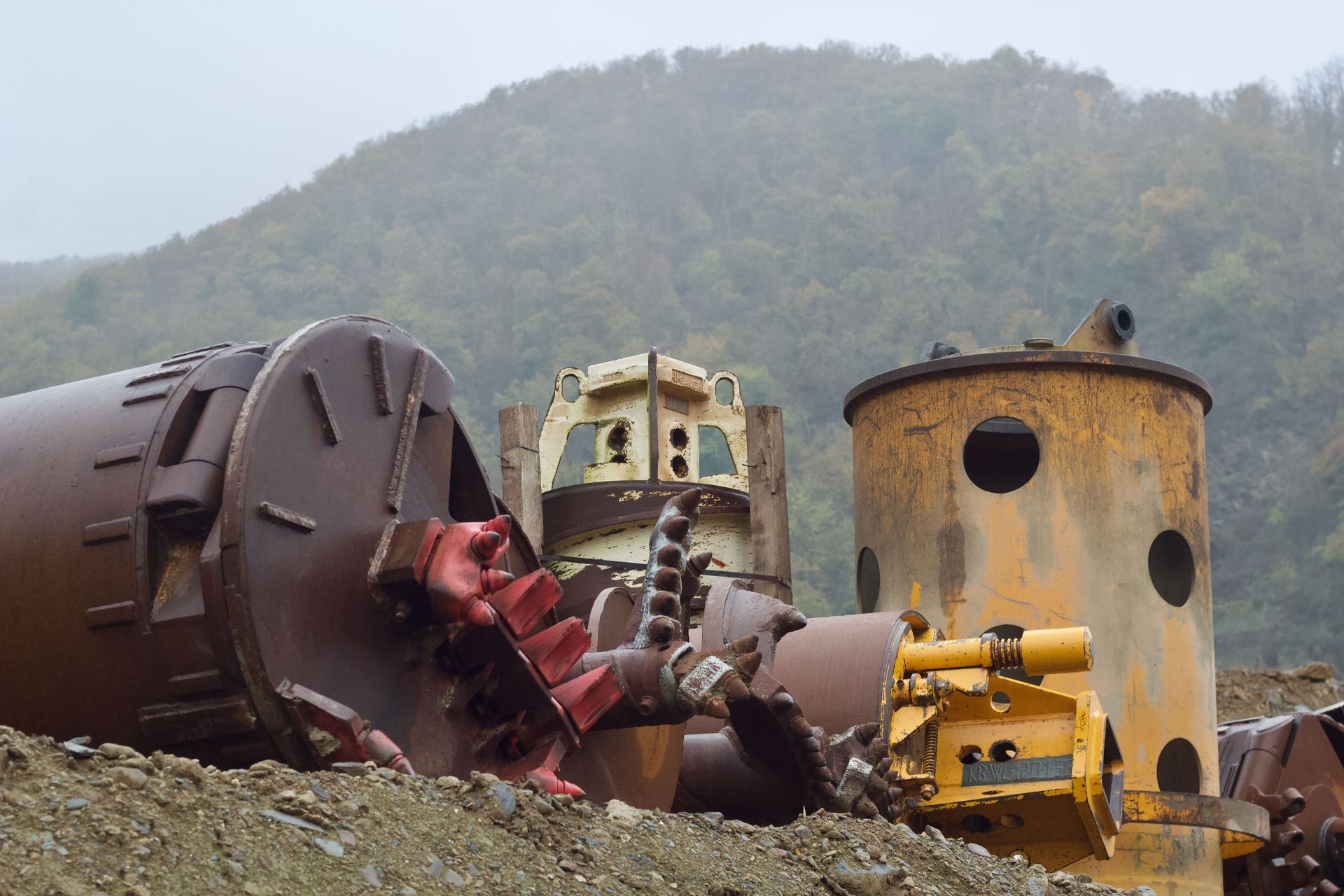
Gulf Coast wells face conditions that statewide averages don't capture, including sandy soils, a high water table in places, and storm flooding. A driller who works in Jackson, Harrison, Hancock, George, and Stone Counties every week knows what depths and setups tend to work in each area.
Coast Water Well Service, Inc. has drilled and serviced wells on the Mississippi Gulf Coast since 1962. We're a Mississippi DEQ Unlimited Licensed Contractor, our crews are in-house, and our PVC wells carry a 5-year warranty. Learn more about our
well drilling services and
pump installation and repair.
Frequently Asked Questions
How much does it cost to drill a well on the Mississippi Gulf Coast?
It depends on depth, ground conditions, and the pump system you need. Statewide averages are a rough starting point only. Request a site-specific quote from a licensed local driller.
How deep are wells on the Gulf Coast?
Depth varies by location and the water-bearing layer being targeted. A local driller can estimate depth from nearby well records.
Do I need a licensed driller in Mississippi?
Yes. MDEQ requires a licensed water well driller for water well drilling, and pump installers must be licensed too
How far should a well be from a septic system?
The Mississippi State Department of Health requires at least 50 feet from a septic tank and 100 feet from the drain field for a new well
How long does a new well take?
Drilling often takes one to a few days. Pump installation, disinfection, and testing add more time.
Get a Quote for Your Property
Statewide numbers can't tell you what your well will cost. A site visit can. Call Coast Water Well Service at
(228) 826-9275
or
request a free consultation to plan your water well drilling project.
Recent Posts